Happy little unit tests
Do unit tests make you happy? When they work, they make me ecstatic. For agentic coding, they let you fire and forget, knowing that as long as the unit tests pass, your existing code (probably) won’t be broken… Right?


Programming and Maths
Do unit tests make you happy? When they work, they make me ecstatic. For agentic coding, they let you fire and forget, knowing that as long as the unit tests pass, your existing code (probably) won’t be broken… Right?
If you want to improve your execution without buying a crazy expensive mix box, this might be for you. Hitboard emulates arcade controllers on your keyboard through keyboard hooks and a virtual DirectX controller. Create a profile to emulate an existing controller, and pull off some sick combos!
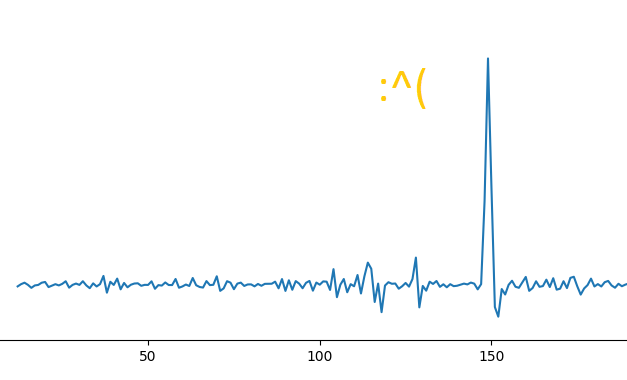
Ever play a game that feels chunky, but the frame rate counter looks fine? It takes a single frame coming out a fraction of a second too late to get me to notice, but most frame rate monitors squash outlier frames to simplify output. But these dropped frames are probably the most important of them all:
Interesting problem: given a starting position and a constant speed, compute the angle to intercept another object moving at a constant velocity. 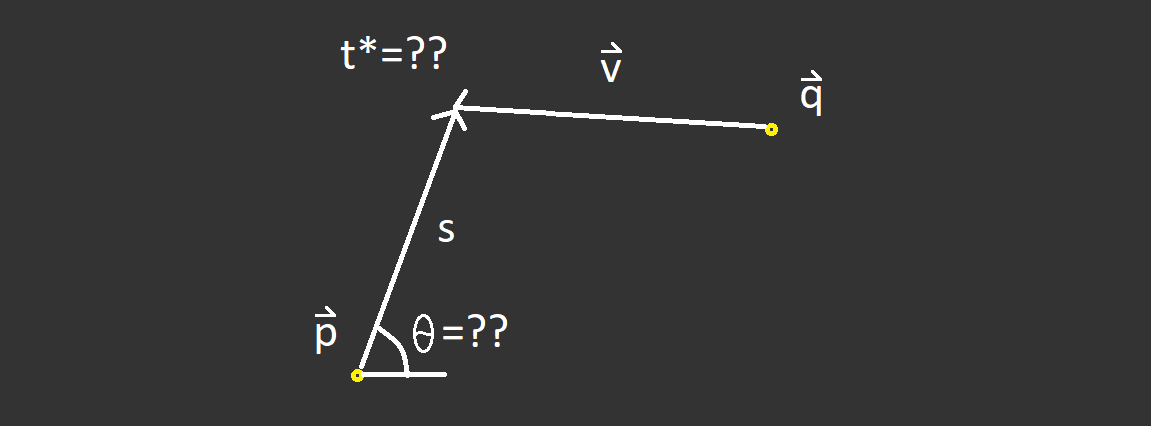 This is a common issue in a few places such as real time collision physics. Some other obvious examples come to mind as well, such as AI aiming in FPS and target leads in flight action games.
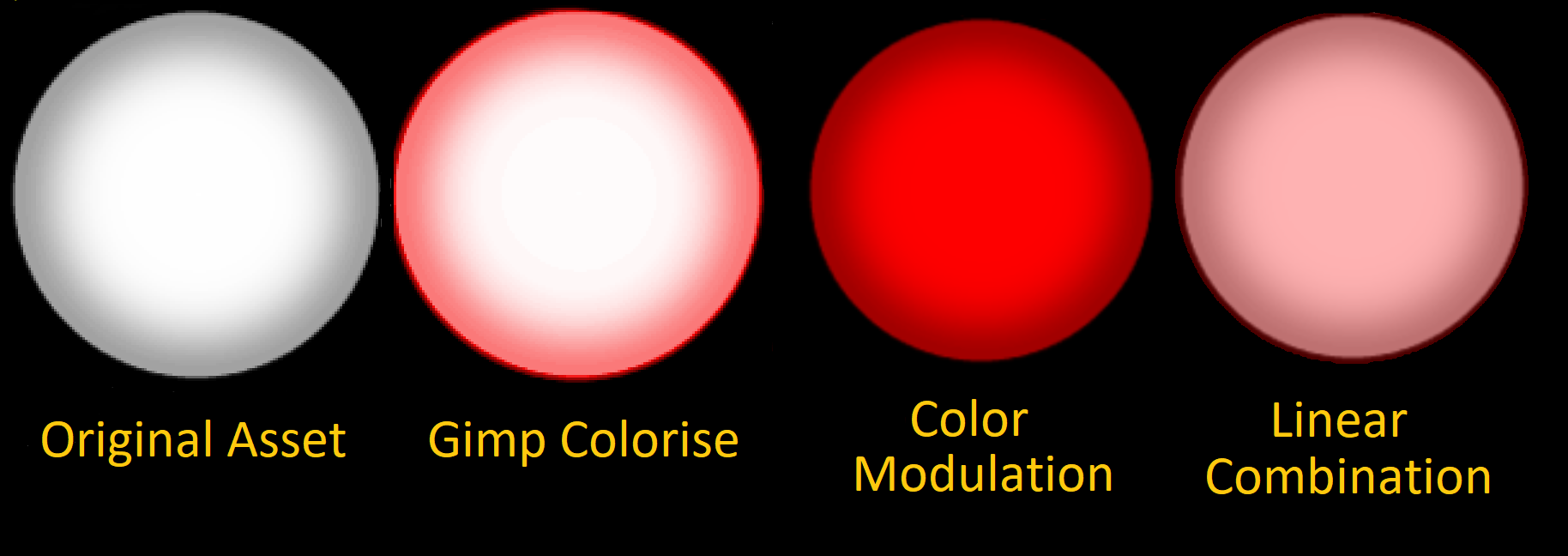
A common required task is to apply a colourisation in a fragment shader, but all the online implementations are just plain awful. The top results from a google search will get either a multiplicative modulation or some arbitary linear combination. What I really want is that lovely GIMP colorise…
As a part of HPC, I has to do a big semester long project. Specifically, I would need to do some simulation, demonstrate issues with scalability and implement some parallelisation to achieve performance with large working sets. This project ended up being quite fun, with a nice combination of real time rendering, multithreaded algorithm optimisation and data analysis.
 It also helped that I got to run stuff on UQ’s fancy HPC clusters with some cool visual output, quite fun indeed.